One Day in Almaty: A Soulful Route from a Local
This route is ideal for those who enjoy walking, art, and wine. It will allow you to feel the atmosphere of Almaty...
Read more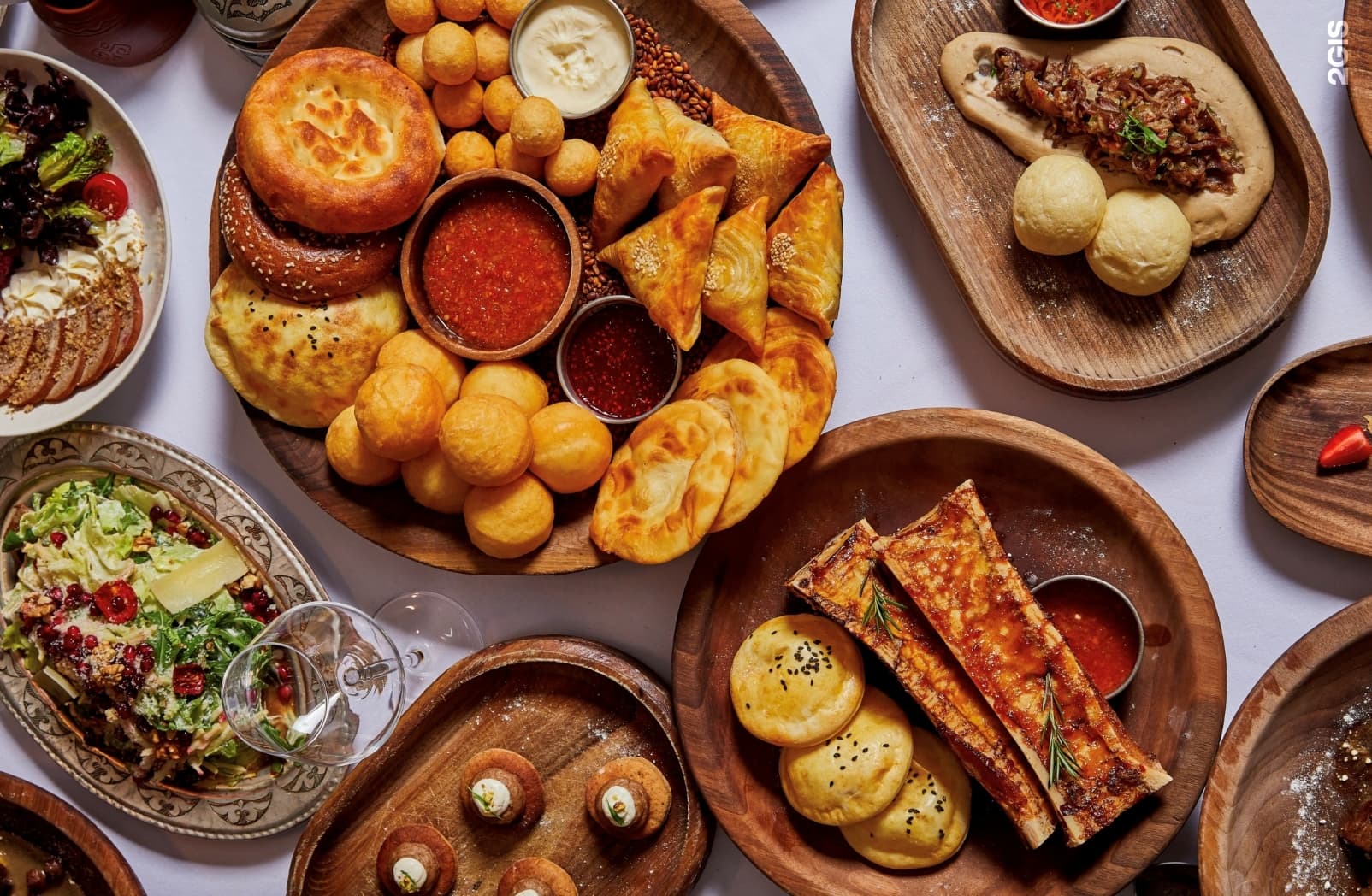
Источник фото: Sandyq restaurant
Kazakh cuisine was shaped by a nomadic way of life, where food needed to be nourishing, easy to transport, and suitable for long storage. For this reason, the traditional Kazakh diet is based on three main components: meat, dairy products, and grains.
Core ingredients of Kazakh cuisine:
Cooking methods were simple and practical: boiling, stewing, drying, and smoking.
It is important to know that horse meat is widely eaten in Kazakhstan, highly valued, and prepared in many forms. Horse meat is considered the most respected type of meat, and if you are offered it, this is a sign of great hospitality and respect.
The main dish of the Kazakh table and a symbol of national cuisine. It consists of boiled meat, thin hand-cut noodles, and a light onion sauce. This is the classic version, though in some regions boiled potatoes or carrots may be added.
Beshbarmak is always served with hot meat broth in small bowls.
The name beshbarmak means “five fingers,” as the dish was traditionally eaten by hand. Today, of course, cutlery is used. As Kazakhs, we have a deep understanding of meat, allowing you to truly experience its authentic flavor.
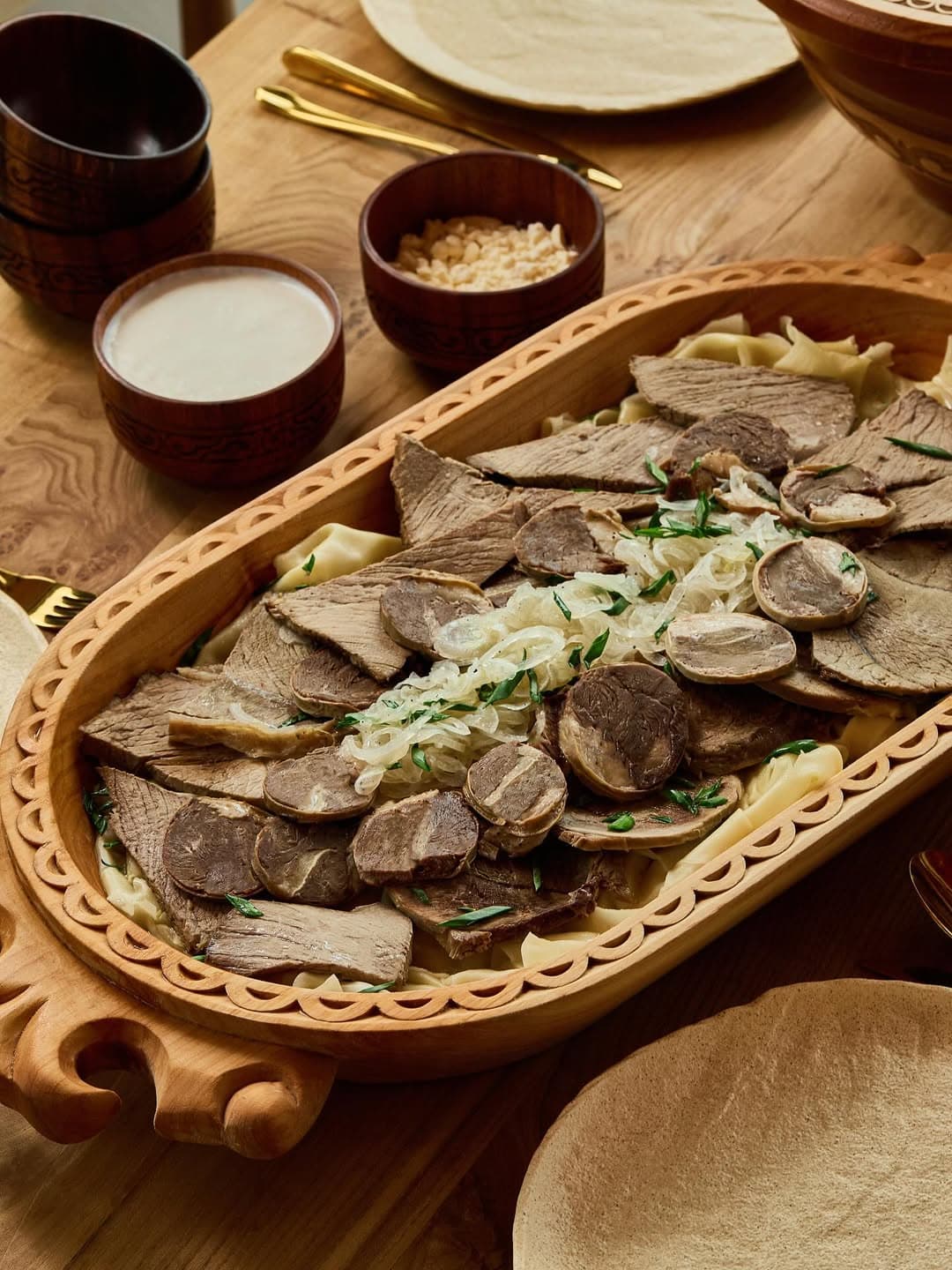
Источник фото: Otau restaurant
A hearty dish of nomadic origin. Kuyrdak is a fried dish made from fresh offal—most commonly lamb liver, lungs, and kidneys—cooked with onions and potatoes.
It is prepared only from fresh ingredients. The name comes from the Kazakh verb quyru, meaning “to fry.” This is rich, filling comfort food.
A traditional horse meat sausage. Kazy is an essential accompaniment to beshbarmak but is also served as a cold appetizer.
This delicacy is made exclusively from horse meat, specifically from the rib section. The higher the fat content, the more tender and flavorful the kazy is considered to be.
Kazy is rich in protein and low in cholesterol.
Kespe (Kazakh noodle soup) is made with meat on the bone—beef, lamb, or horse meat. In some regions, camel meat is also used.
Cooking meat on the bone gives the broth a deep, rich flavor, while the noodles are always handmade and egg-based.
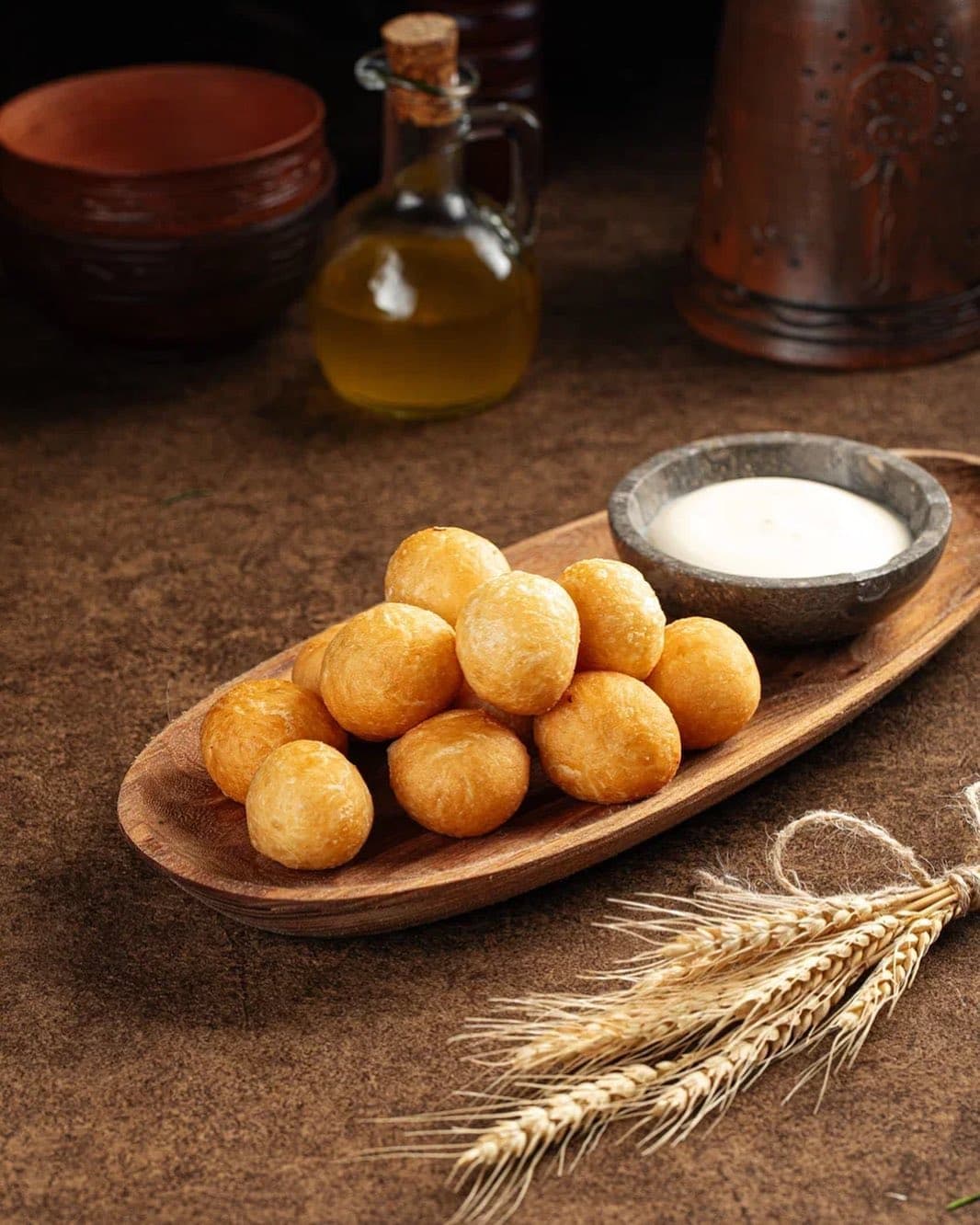
One of the most beloved Kazakh treats. Baursak are small pieces of yeast dough, round or rectangular in shape, fried in oil.
They usually have a neutral taste, though some variations include a small amount of sugar. Baursak are served with soups, main dishes, or simply with tea.
Источник фото: Sandyq restaurant
Tandyr Nan is a flat, round bread baked in a traditional clay oven called a tandyr. It can be yeast-based or unleavened and is eaten both with meals and with tea.
Taba Nan is another traditional Kazakh bread, cooked in a pan over an open fire. It is unleavened and known for its crispy crust and soft inside.
Important cultural note: In Kazakh culture, bread is treated with great respect. It is never thrown on the ground, kicked, or placed carelessly. Bread is not eaten with one hand. Kazakhs consider bread sacred.
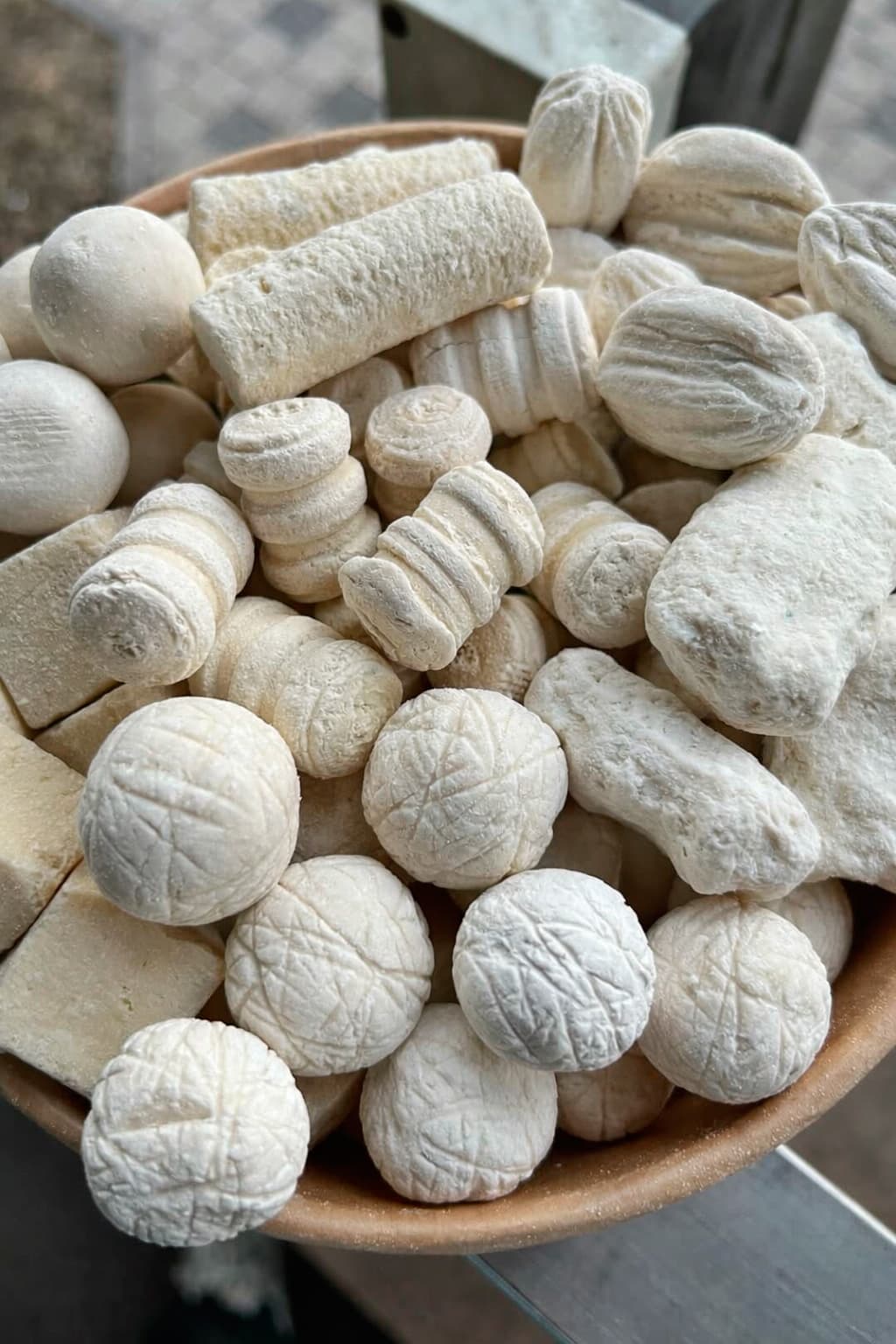
A traditional dried fermented dairy product, similar to a very firm cheese or concentrated curd. Its flavor ranges from mildly tangy to intensely salty, depending on the type of milk, salt, and added ingredients such as pepper, mint, or basil.
Kurt comes in various shapes—most commonly small balls, flattened pieces, or hand-pressed forms. It is often referred to as “steppe cheese” or “milk stone.”
The main ingredient is milk. Kurt can be made from sheep’s, goat’s, cow’s, or camel’s milk and is designed for long-term storage. It is rich in protein, minerals, and vitamins and is most often eaten as a snack.
Источник фото: Qurt ata


This route is ideal for those who enjoy walking, art, and wine. It will allow you to feel the atmosphere of Almaty...
Read more
 Subscribe