


One Day in Almaty: A Soulful Route from a Local
This route is ideal for those who enjoy walking, art, and wine. It will allow you to feel the atmosphere of Almaty...
Read more
Photo credit: Depositphotos
In this article, I explore drinks produced in Kazakhstan, from traditional qymyz and shubat to Kazakh wines, craft beer and local ciders. I introduce the producers and recommend drinks worth trying to discover the country’s gastronomic culture.
Qymyz and shubat are among the best-known traditional drinks of the Kazakh steppe and Central Asia. Both are fermented milk drinks whose history is closely linked to the nomadic culture of the region. Qymyz is made from mare’s milk, while shubat is made from camel’s milk.
The history of mare’s milk processing in the region goes back thousands of years. Archaeological evidence from Botai in northern Kazakhstan suggests that mare’s milk was processed in pottery vessels as early as around 3500 BCE.
Shubat is traditionally consumed across Central Asia, particularly among Kazakh, Turkmen, Karakalpak and Uzbek communities. It has long been valued as a refreshing and nourishing drink, especially in hot climates.
Qymyz and shubat are made through milk fermentation. Bacteria give the drinks their sour taste, while yeasts produce small amounts of alcohol and carbon dioxide, which makes the drinks slightly fizzy.
Their alcohol content depends on the duration and conditions of fermentation and usually ranges from 0.6% to 2.8% ABV.
Qymyz and shubat are an integral part of local food culture. They are traditionally served with meals and play an important role in Kazakh hospitality.
A tip: Do not shake the bottle before opening. Slowly loosen the cap. If you hear a hiss, gradually release the pressure.
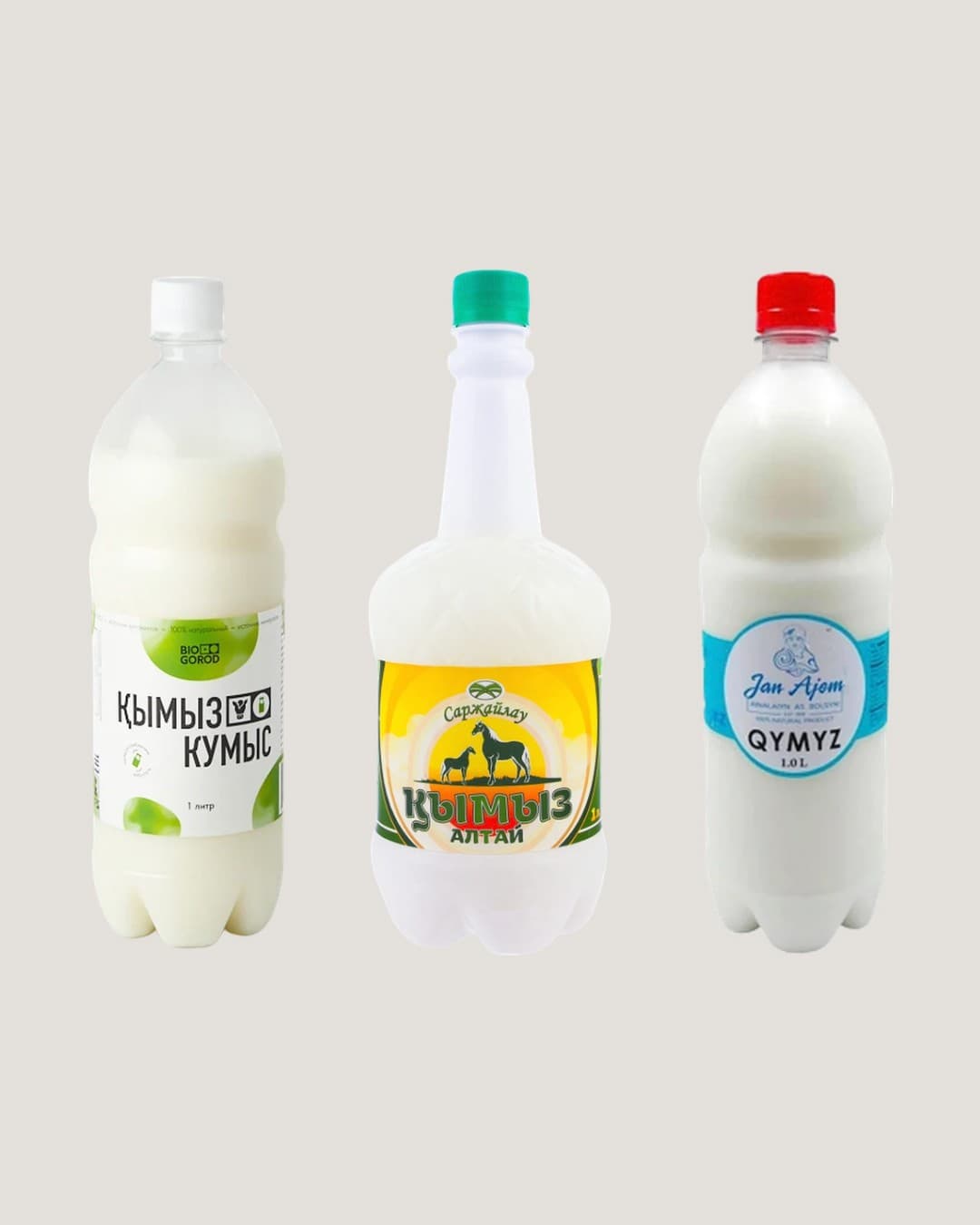
To discover traditional qymyz and shubat, look for products from local producers such as Sarzhailau, Biogorod and Jan Ajem. Their drinks can be found in supermarkets, including Galmart.
Did you know that Kazakhstan produces wine? This country may not be the first to come to mind when talking about winemaking, but Kazakh wine has its own story.
Grapes have been grown in the lands of southern and southeastern Kazakhstan for almost a century. The industry has gone through different phases, but since the early 2000s, a new generation of winemakers has emerged.
Over the past decade, Kazakhstan’s wine culture has been developing. Wine shops, bars and restaurants are appearing across the country, while festivals, tastings and wine salons bring producers and wine lovers together.
Kazakhstan may seem like an unexpected wine destination, but its vineyards and wineries deserve attention.
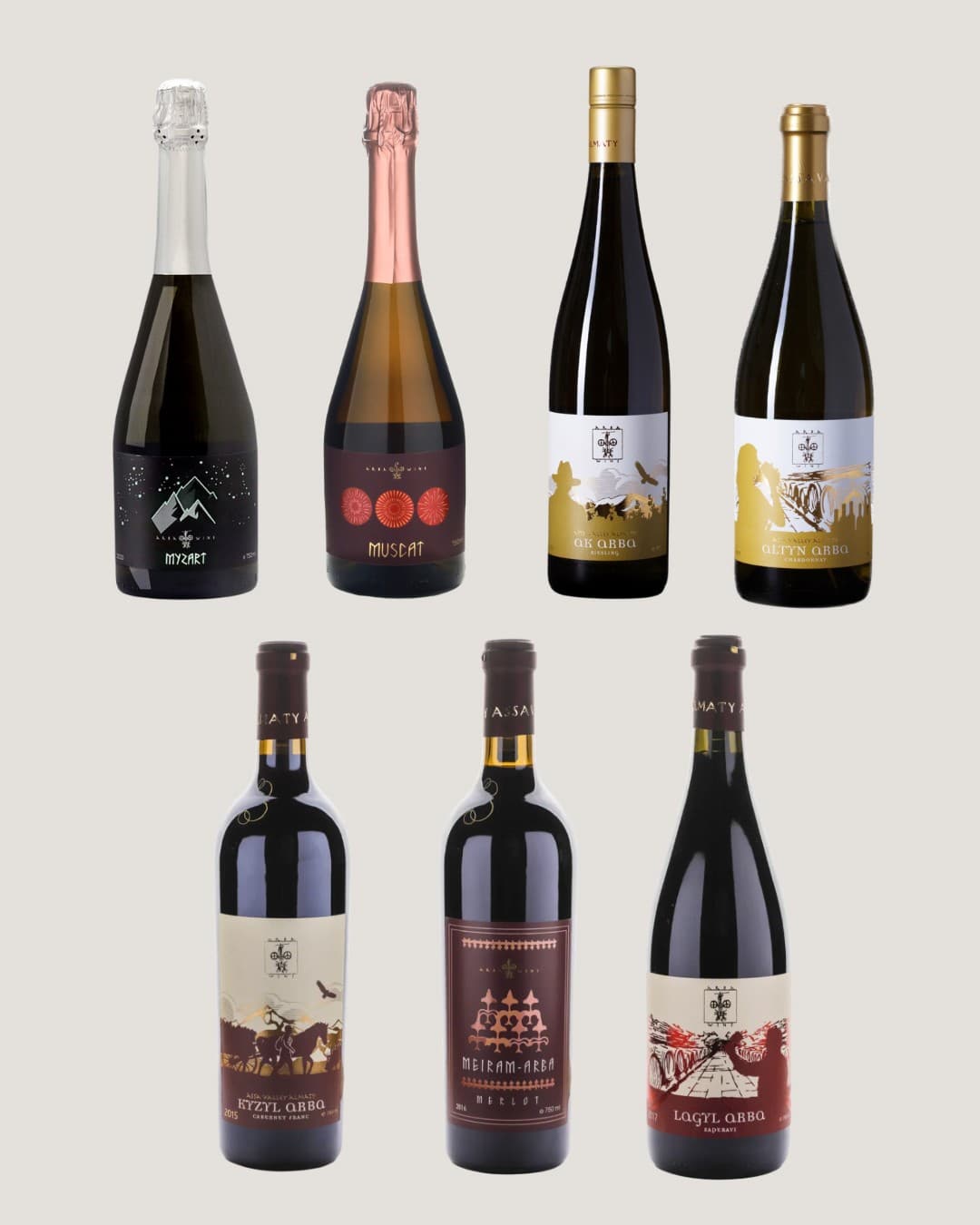
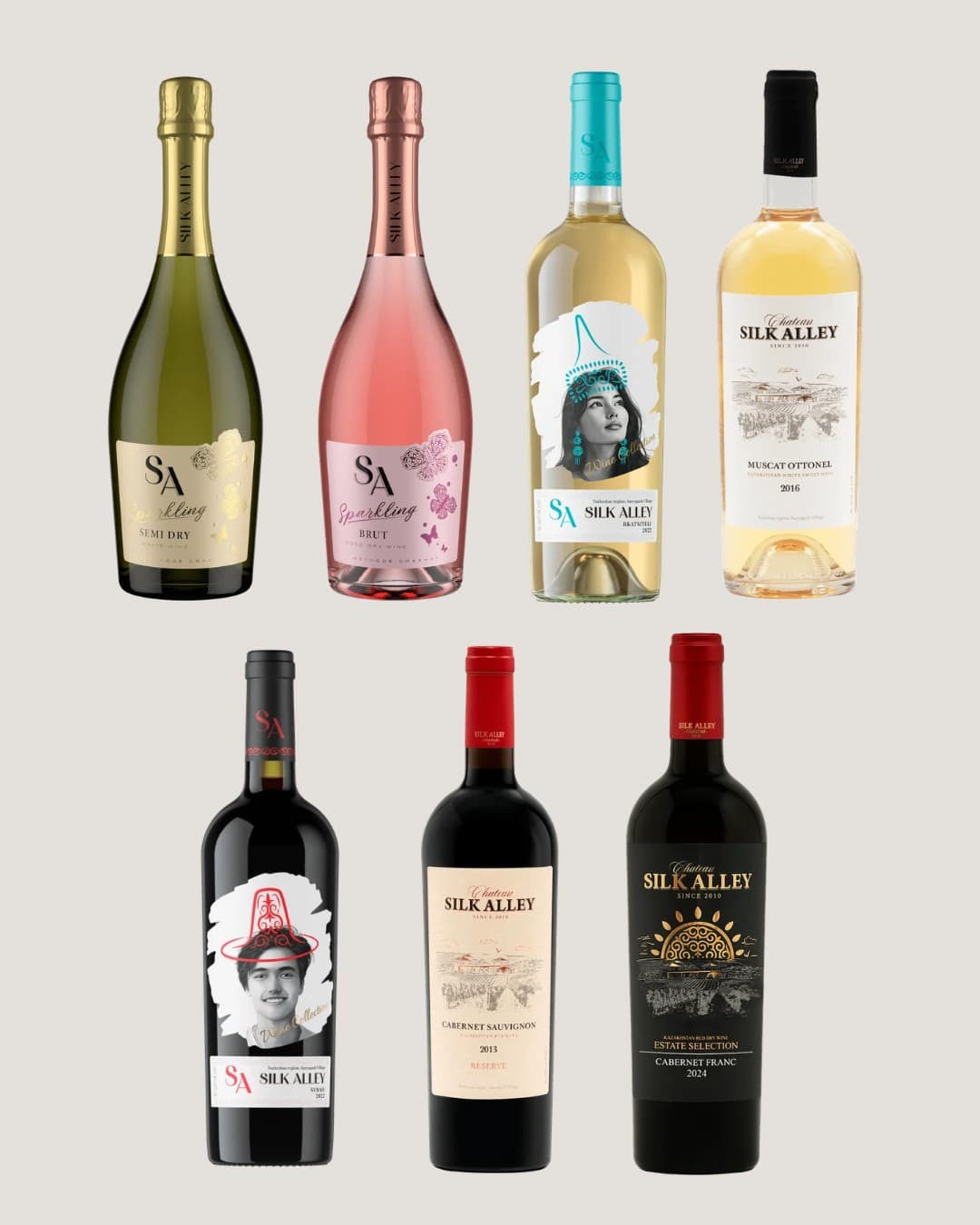
Among the wineries of Kazakhstan’s new wave are Arba Wine and Chateau Silk Alley, representing different wine-growing regions of the country.
Arba Wine
Founded in 2006, Arba Wine is located in Karakemer, near Almaty, in the foothills of the Trans-Ili Alatau. The winery has 200 hectares of vineyards at an altitude of around 1,000 metres.
Its grape varieties include Riesling, Rkatsiteli, Muscat, Chardonnay, Aligoté, Gewürztraminer, Auxerrois, Pinot Noir, Cabernet Franc, Saperavi, Syrah, Merlot and Malbec.
Some of the vines, grown on their own roots, are more than 45 years old and have survived from the Soviet era.
The vineyard soils consist of alluvial sandy clay over granite. The diurnal temperature variation can reach 20°C, while winter temperatures sometimes fall to −35°C.
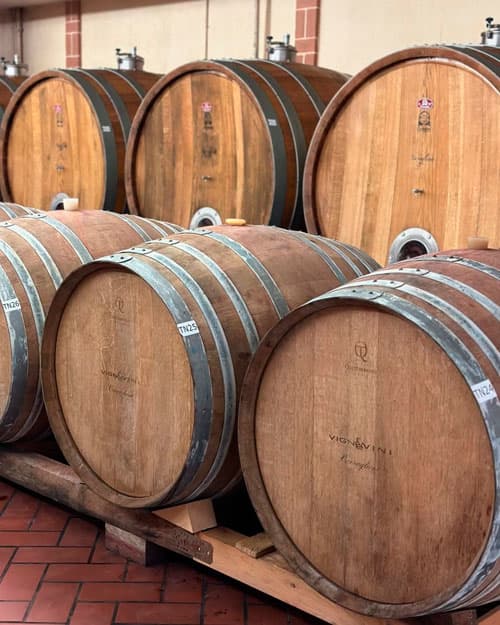
Harvesting is done by hand, with grapes collected in small crates and cooled before processing. Fermentation takes place in temperature-controlled stainless steel tanks, while French oak barriques are also used in winemaking.
Chateau Silk Alley
Founded in 2010, Chateau Silk Alley is located in Saryagash, Turkistan Region, in southern Kazakhstan. Its vineyards cover 380 hectares at an altitude of around 400 metres.
The winery grows Sauvignon Blanc, Muscat Ottonel, Viognier, Rkatsiteli, Muscat à Petits Grains, Chardonnay, Pinot Blanc, Cabernet Franc, Cabernet Sauvignon, Saperavi, Merlot, Pinot Noir and Syrah.
The concept was developed with the involvement of specialists associated with the Institute of Oenology at University of Bordeaux II.
The region has a sharply continental climate, with mild winters, hot summers and a large number of sunny days. The vineyard soils are predominantly clay and loam.
Beyond viticulture and winemaking, the estate is involved in beekeeping, livestock and fish farming. It also grows walnuts, almonds, pistachios, persimmons and mulberries.
Modern technologies and quality control processes are part of its production approach.
The first brewery on the territory of modern Kazakhstan was founded in 1858. Russian first-guild merchant Vasily Kuznetsov began construction of Brewery No. 1 in Almaty, laying one of the early foundations for the country’s brewing industry.
Craft brewing in Kazakhstan is developing alongside the traditional brewing industry. Independent producers experiment with ingredients, flavours and brewing techniques. Craft breweries generally operate on a smaller scale and often explore a wide range of styles, from classic to experimental.
Try beers from Baza Brewery or Sigma Bräu.
Baza Brewery
Located around 20 km from Almaty, Baza Brewery opened in 2018. Its range includes classic styles and experimental varieties with different flavour profiles.
Sigma Bräu
Founded in 2003, Sigma Bräu operates two brewery facilities in Shymkent. The brewery combines classic recipes with modern brewing techniques, offering craft interpretations of traditional European beer styles for the local market and lovers of beer culture.
You may not know that Kazakhstan is closely connected to the origins of the cultivated apple.
The apple is more than just a fruit here: it has become one of the symbols of Almaty. The city’s name is traditionally associated with apples and is often translated as “the place of apples”.
Malus sieversii is a wild apple tree that grows in the Tien Shan mountains of Kazakhstan and neighbouring areas of Central Asia. It is considered one of the main ancestors of the cultivated apple.
The natural habitat of wild apple trees has shrunk. Today, these forests survive in fragmented areas of the mountains.
Despite this connection with apples, Kazakhstan’s cider culture is still taking shape. In recent years, local producers have begun expanding their beverage ranges to include cider.
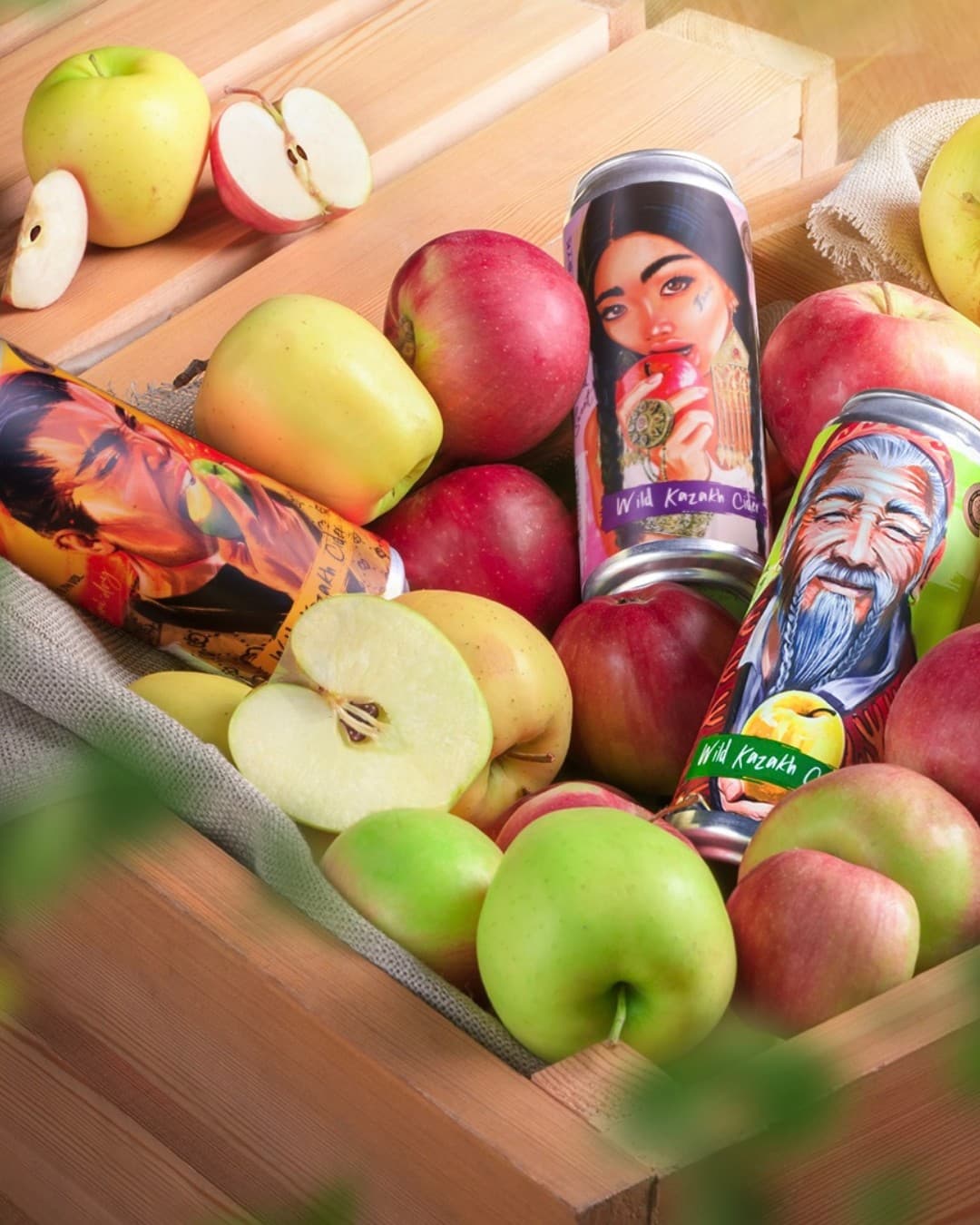
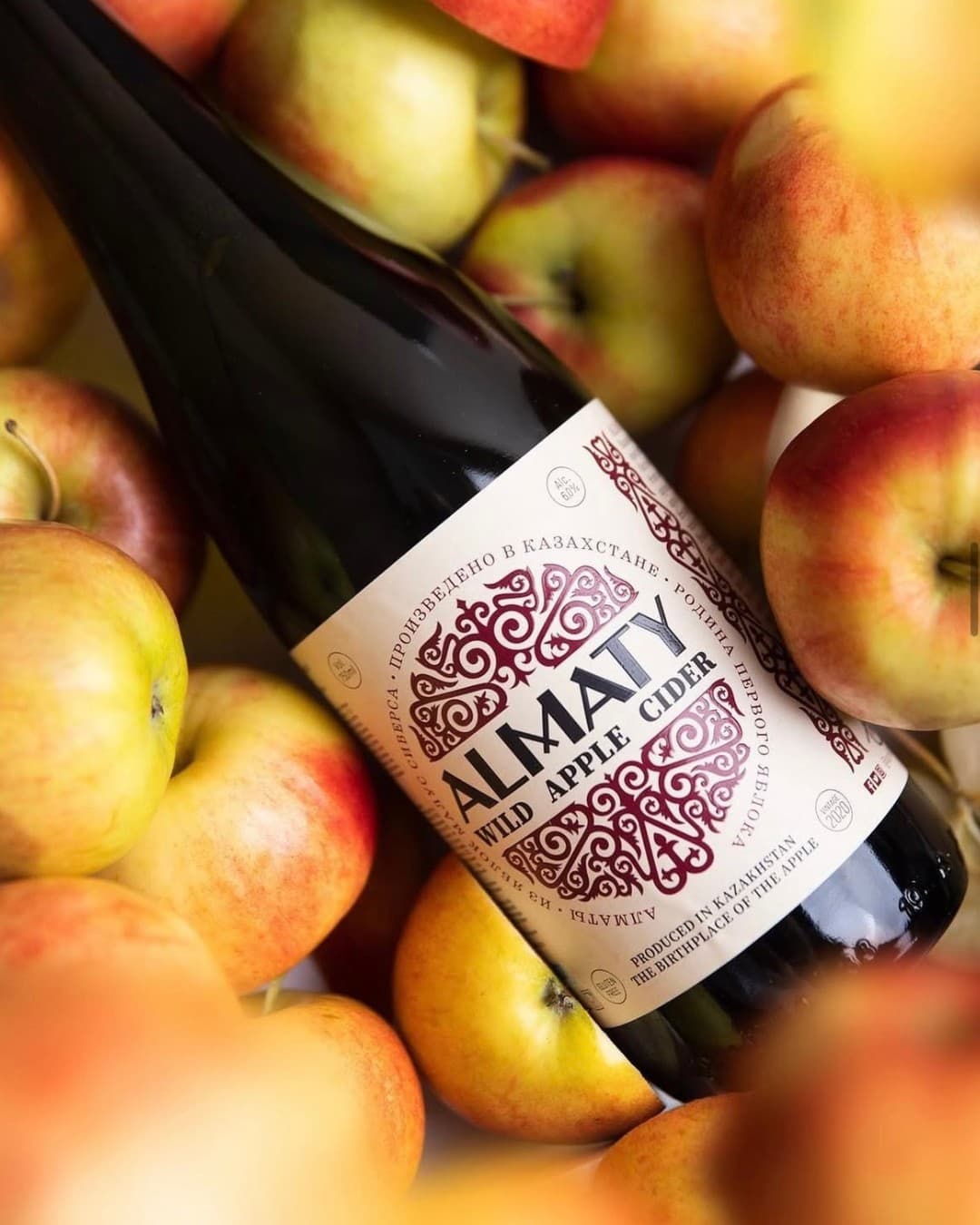
Local ciders include Wild Cider by Issyk Winery, unfiltered Adem Alma ciders by Arba Wine, and Almaty Cider by Apple City Cider.

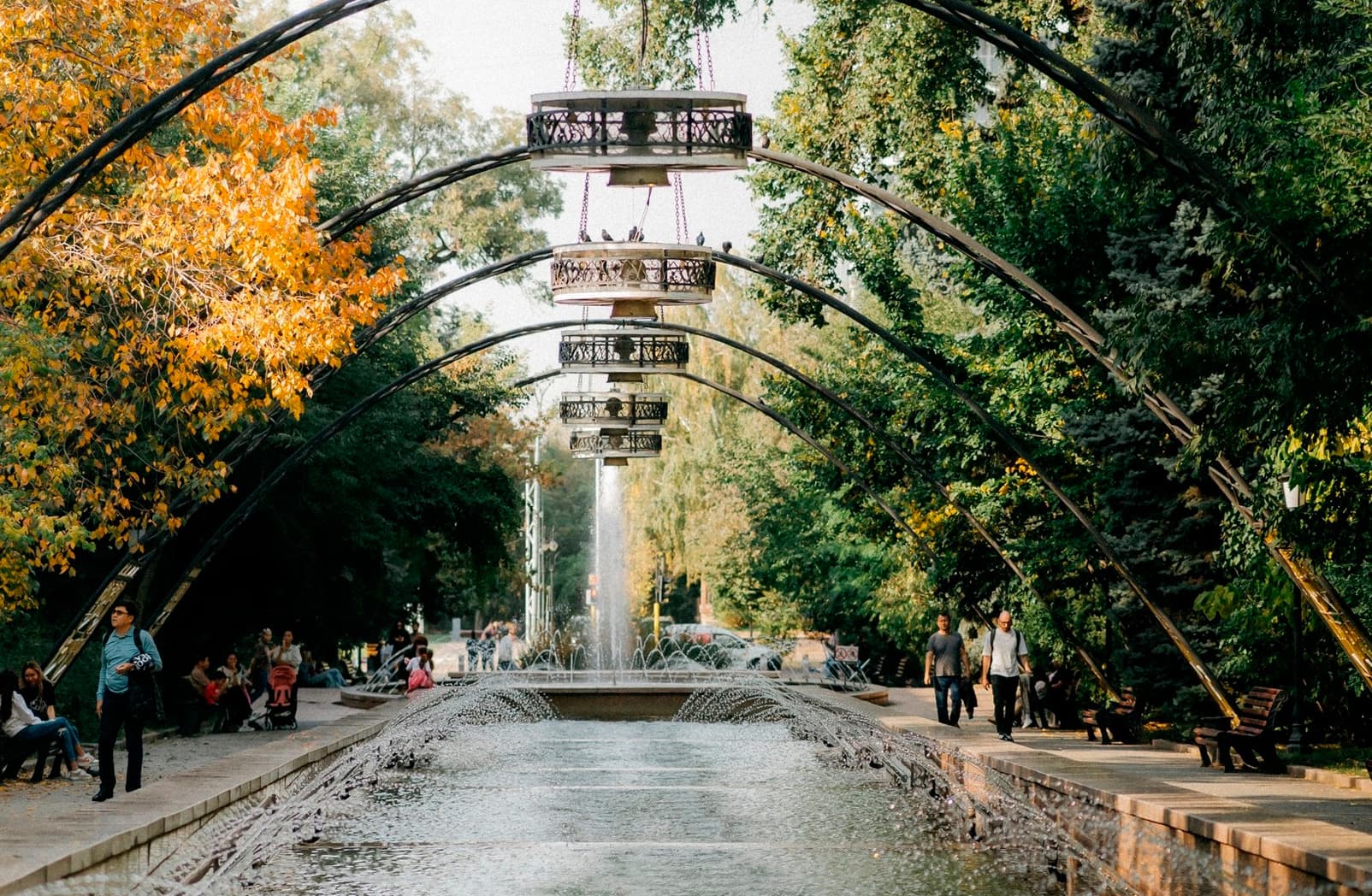
This route is ideal for those who enjoy walking, art, and wine. It will allow you to feel the atmosphere of Almaty...
Read more
Источник фото: Sandyq restaurant
Kazakh cuisine was shaped by a nomadic way of life, where food needed to be nourishing, easy to transport, and...
Read more
 Subscribe